Gemmological
Nomenclature.
Understanding how gemstones are named, classified, and described in our reports — aligned with internationally harmonised standards.
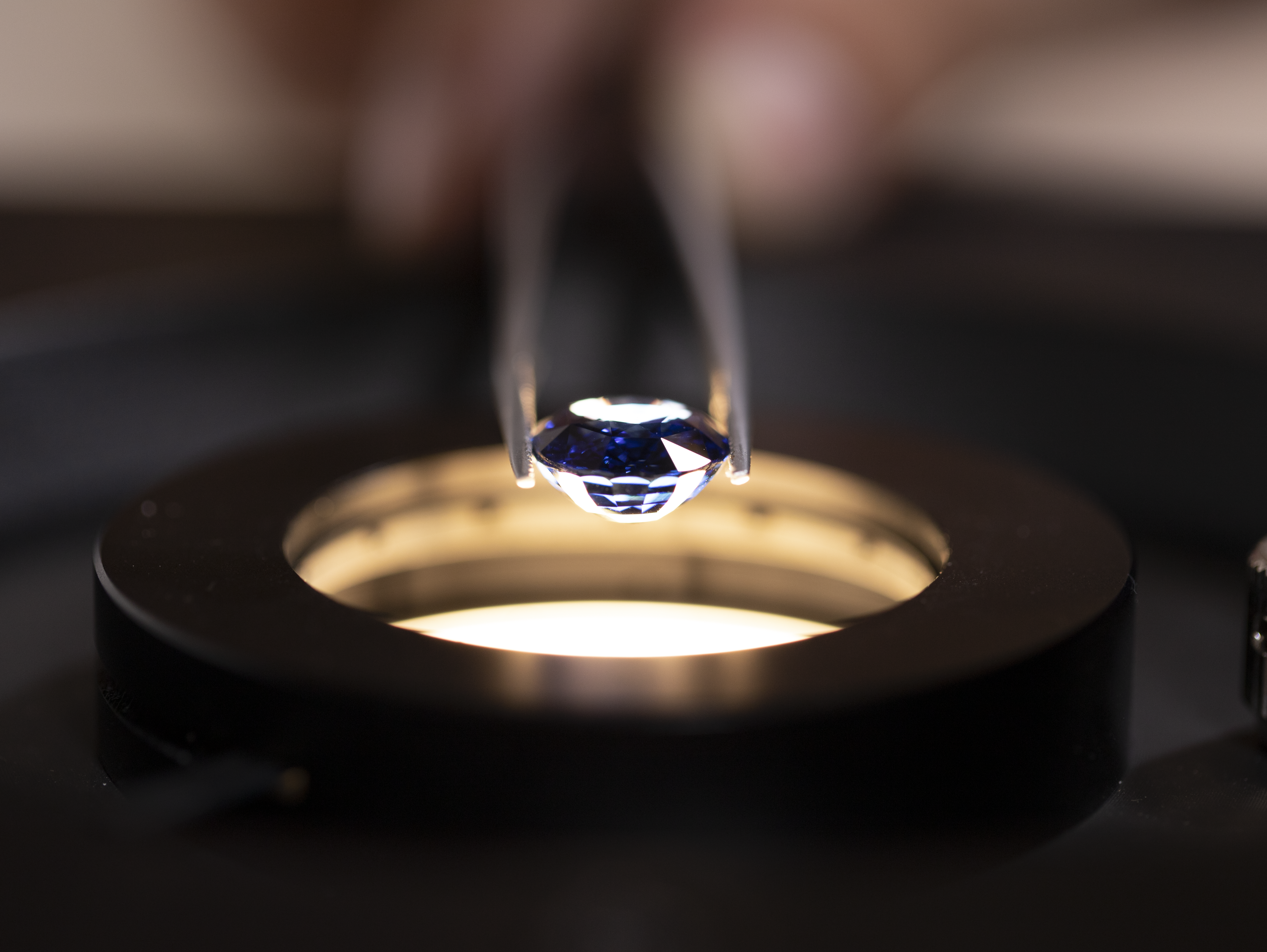
The Naming Hierarchy.
Gemstone nomenclature follows a hierarchical system — from the broadest mineralogical classification to the specific commercial name. This system ensures that every gemstone name used in our reports is precise, scientifically defensible, and internationally comparable.
Our nomenclature follows the Laboratory Manual Harmonisation Committee (LMHC) information sheets and CIBJO Blue Book guidelines, ensuring alignment with the world's leading gemmological laboratories.
Mineral Species
The fundamental mineralogical identity based on chemistry and crystal structure.
Variety
A sub-classification based on colour, optical phenomena, or other distinguishing properties.
Commercial / Trade Name
Names used in commerce, often referencing colour modifiers or geographic associations.
Nomenclature in Practice.
| Species | Variety | Colour | Report Description |
|---|---|---|---|
| Natural Corundum | Ruby | Red | Natural Ruby |
| Natural Corundum | Sapphire | Blue | Natural Blue Sapphire |
| Natural Corundum | Sapphire | Pinkish-orange | Natural Padparadscha Sapphire |
| Natural Beryl | Emerald | Green | Natural Emerald |
| Natural Beryl | Aquamarine | Blue | Natural Aquamarine |
| Natural Chrysoberyl | Alexandrite | Colour-change | Natural Alexandrite |
| Natural Spinel | — | Red | Natural Red Spinel |
Rules of Naming.
Natural vs. Synthetic Prefix
All gemstones carry a "Natural" or "Synthetic/Laboratory-grown" prefix in our reports.
No Misleading Names
We do not use misnomers (e.g., "Thai ruby" for red spinel) or trade names that could mislead consumers.
International Harmonisation
Our naming conventions follow LMHC information sheets, ensuring global comparability with other major labs.
Colour as Modifier
Colour precedes the variety name (e.g., "Blue Sapphire"), except where the variety name inherently implies colour (e.g., "Ruby").
Read Our Reports.
See how our nomenclature system translates into clear, precise report language.
View Report Types